A generation raised to chase office jobs is picking welding, plastering, and cranes instead — and it isn't just Korea. Inside the 'brown collar' turn, from a Korean documentary to the US toolbelt generation.
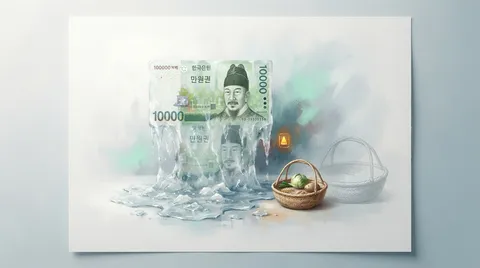
Your Korean won balance looks the same, but it buys less every year. A ₩10,000 basket from 2021 costs about ₩11,700 in 2026 — so today's ₩10,000 is worth roughly what ₩8,540 bought five years ago. We tracked it through real Seoul prices: samgyetang, taxis, the subway, and why even a savings account can lose to inflation.
We reopened all 753 source links our blog ever cited. 87% were still alive — but 1 in 6 of the live ones didn't back the claim. The data, and a 30-second way to check any source.
Koreans didn't download AI — it arrived inside KakaoTalk and Naver. 51.8% use it for work vs 26.5% in the US, in the world's most AI-saturated culture.
Single-person homes are Korea's most common household at 36.1%, and the country aged faster than any in history. Inside the world's first loneliness economy.
Korean Gen Z hike 'energy-spot' mountains and sell out lucky charms; ~13,000 packed one fortune expo. Inside luckmaxxing, from IVE's Lucky Vicky to AI saju.
Korea's adult reading rate hit a record low 38.5%, yet 20-somethings rose to 75.3% and the Seoul book fair sold out. Inside the 'text-hip' paradox — culture ministry data.
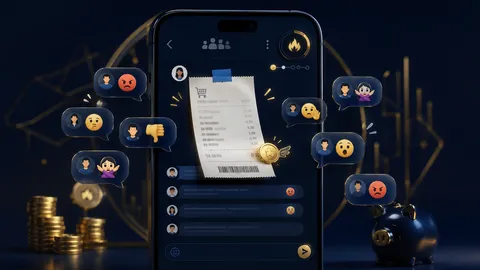
Korea coined a word for spending driven by feelings, not price: feelconomy. In one report, 70% of people unsubscribed from brands over message overload in just three months — Optimove. Here's what feelconomy is, and the hidden cost of letting AI manufacture your conviction.
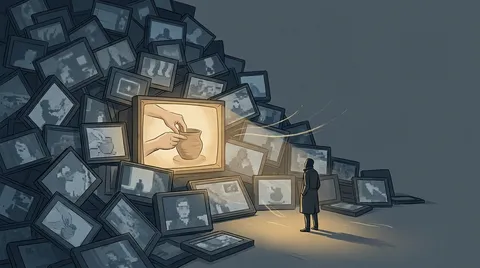
'Slop' was named 2025's word of the year. And the country whose AI-slop channels rack up the most views isn't the US — it's Korea, at 8.45 billion views. Why Korea tops the list, what AI slop actually is, and how to tell the real thing from the flood.
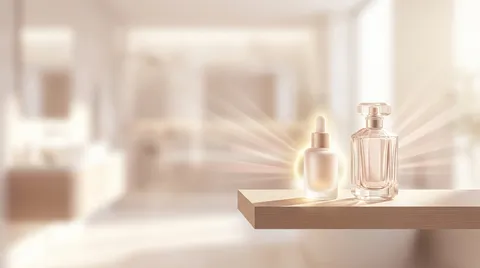
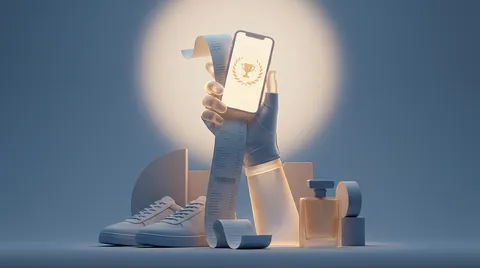
A 3,000-won bottle that sells out in minutes — often made by the same company as the 'premium' version. Korea's beauty-dupe boom rode K-beauty to a record $11.4B in exports in 2025, with the US now its #1 market. Here's what's really happening, and the catch.
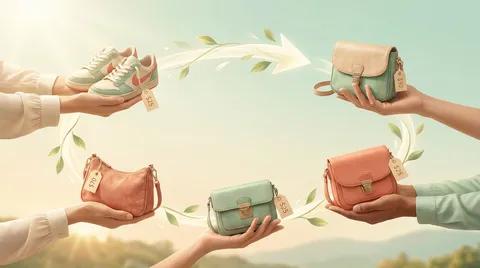
Korea's secondhand market grew from 4 trillion won in 2008 to about 43 trillion won in 2025 — Hana Institute of Finance / KISA. In Korea, people increasingly buy not to save money but to resell later, turning secondhand trading from thrift into asset management.
In Korea — a country that turned luxury logos into a status religion — something flipped. Gen Z now shows off the cheap look-alike instead of hiding it. Here's why, and what it says about status itself. (49% of US Gen Z have bought a dupe on purpose — Morning Consult.)
In one of the world's most wired — and loneliest — societies, people are telling their hardest feelings to a chatbot. A Dartmouth trial found an AI therapy bot cut depression symptoms 51% (NEJM AI). But dependence and safety risks are growing just as fast. A calm look at the comfort, the dependence, and the regulation now catching up.
A decade ago young Koreans shouted YOLO. Now the same generation says YONO — 'You Only Need One.' Behind the flip: youth employment fell for a third straight year to the 45% range in 2025 (Statistics Korea). Here's why a whole cohort reversed its battle cry.